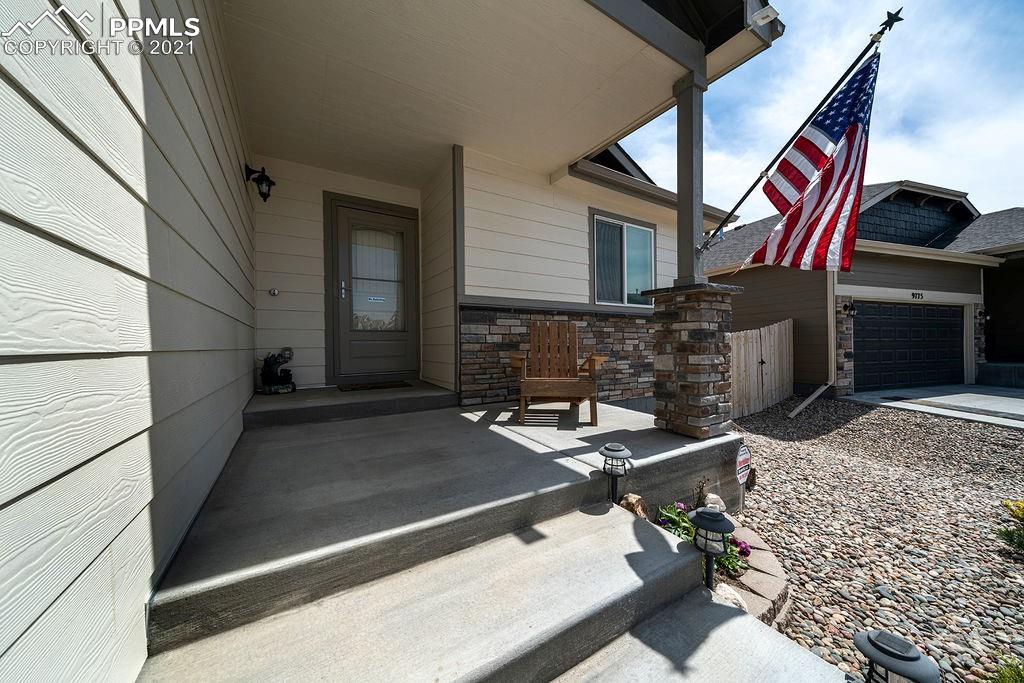
PCS costs are driven by housing, move-in costs, moving logistics, and setup expenses. Most surprises come from deposits, delivery timing gaps, storage needs, and utility setup. Build a buffer and compare quotes carefully.
The PCS Cost Categories You Actually Need
- Monthly housing costs: rent/mortgage, HOA (if applicable), renter’s/home insurance
- Move-in costs: deposits/pet fees/applications (renting) or inspection/appraisal/closing + buffer (buying)
- Setup costs (first 30 days): utilities deposits/setup, internet setup, short-term housing overlaps, household basics
- Transportation + commute: gas/time, seasonal driving readiness
If you have received PCS orders and are trying to price out your move, this PCS guide gives you a practical look at the expenses that can show up before, during, and after you arrive. A military move can feel manageable at first glance, but the total cost usually comes from a mix of housing, travel, setup expenses, and timing gaps.
A PCS move to Colorado Springs can get expensive quickly if you only look at the shipment itself. Rent or mortgage payments, deposits, utility setup, hotel overlap, storage, pet fees, and commute costs can all affect what you actually spend during the first few weeks. That is why it helps to build your budget around both the move and the cost of getting settled once you arrive.
Planning ahead can make the numbers easier to handle. When you account for both moving expenses and arrival costs, it becomes easier to set a realistic budget and avoid the common costs that catch PCS families off guard.
What affects the cost of a PCS to Colorado Springs?
The cost of a PCS to Colorado Springs is shaped by more than one number. Your budget is influenced by your housing plan, the time of year, your travel needs, and how smoothly your move-in timing lines up with your shipment and arrival. The local cost of living also plays a role, especially when you are comparing housing, utilities, and daily expenses.
The broader housing market matters too. During busy moving months, housing can be more competitive, deliveries can take longer to line up cleanly, and temporary costs can stack up faster than expected.
- Housing choice: Renting and buying come with different upfront costs, monthly payments, and first-month expenses.
- Move timing: The summer PCS season can make housing and moving logistics more expensive and more competitive.
- Travel distance: A longer move usually increases transportation costs, shipment costs, and the chance of timing gaps.
- Family needs: Pets, children, storage needs, and temporary lodging can all add to the overall cost.
- Duty station location: Your base assignment can affect where you live, how far you commute, and what you spend each month.
- Arrival setup: Utility deposits, internet setup, and household basics can raise your first-month total faster than expected.
When these costs start stacking together, the move can feel more expensive than expected. Looking at the full picture early makes it easier to set a realistic budget and avoid last-minute costs once you arrive in Colorado Springs.
The main costs to plan for before you move
Most PCS budgets are made up of several separate costs that hit around the same time. Looking at them category by category can make it easier to plan ahead and avoid getting caught off guard during the first few weeks in Colorado Springs.
Monthly housing costs
PCS housing is usually the largest part of your monthly budget. That includes rent or a mortgage payment, plus renter’s or homeowner’s insurance and any HOA fees if they apply. Even when BAH covers most of the payment, the total monthly cost can still shift depending on the neighborhood, home type, and commute.
Move-in costs
Move-in costs are the upfront expenses tied to securing a place to live. If you are renting, that may include a security deposit, pet fees, application fees, and the first month’s rent. If you are buying, it can include inspection costs, appraisal costs, earnest money, and closing-related expenses. These costs can show up before your routine even starts, so it helps to account for them early.
First-month setup costs
The first month often comes with more setup costs than people expect. Utility deposits, internet installation, cleaning supplies, basic household items, and short-term overlap between homes can all add up quickly. It also helps to research Colorado Springs utilities before you commit to a home, since setup steps and billing can affect your first-month total.
Transportation, commute, and per diem costs
Travel costs are easy to underestimate during a PCS. Fuel, meals on the road, hotel stays, and local driving once you arrive can all shape the total cost of the move. Your daily commute also matters, especially if your duty station is on one side of town and your housing is on the other. A longer drive may not seem like much at first, but it can affect both time and monthly fuel costs.
How BAH affects your PCS budget
Basic allowance for housing can help cover your monthly payment, but it does not always tell the full story. A home that looks affordable based on rent or mortgage alone may still stretch your budget once insurance, utilities, HOA fees, and commuting costs are included. That is why it helps to compare your full monthly housing cost against your allowance, not just the base payment.
For many PCS families, BAH works best when it is used as part of a wider housing plan. If you build your budget around the total monthly cost instead of one headline number, it becomes easier to see what is actually manageable after you arrive in Colorado Springs.
What to know about the BAH rate for Fort Carson
The BAH rate for Fort Carson can be a useful starting point, but it should not be treated as the only number that matters. The amount may help shape your housing search, but home type, neighborhood, insurance, and commute still affect what you spend each month.
If you are PCSing to Fort Carson, compare your allowance with the full cost of the home you are considering. A lower monthly payment farther out may not save much if the commute is longer, while a home closer to base may make your day-to-day costs easier to handle.
What makes cross-country moving costs go up?
Cross-country moving costs are usually shaped by the size of your shipment, the distance of the move, and the timing. A larger household often means more weight, more packing, and more room for delays or added fees. The time of year matters too, since summer PCS season tends to be busier and harder to schedule cleanly.
Access can also affect the final cost. Stairs, long carries, narrow parking, and delivery window issues can all create extra charges or complications. One of the simplest ways to keep this part of the move under control is to reduce what you bring and plan your timing as early as possible.
Hidden PCS costs military families often miss
Some of the most frustrating PCS expenses are the ones that do not show up in the early planning stage. Storage between homes, hotel stays caused by timing gaps, utility deposits, pet-related fees, and household basics for the new place can all raise the total cost of the move.
- Storage between homes
- Hotel stays during timing gaps
- Utility deposits
- Pet-related fees
- Household basics for the new home
- Damaged or missing item claims
These smaller costs may not seem serious on their own, but together they can make the first month more expensive than expected.
Rent or buy when PCSing to Colorado Springs?

This decision usually comes down to timeline, budget, and how confident you feel about staying in the area. Renting may make more sense if you want flexibility, need time to learn the market, or expect a shorter stay. Buying may be worth considering if your numbers work, your timeline is longer, and you are comfortable taking on the upfront costs tied to a purchase.
The key is to look at more than the monthly payment. A lower rent can still come with deposits and rising renewal costs, while buying comes with its own upfront expenses and long-term responsibilities. The Colorado Springs housing market should also be part of the conversation, since pricing, inventory, and competition can affect how comfortable the purchase feels in the short term.
| Factor | Rent | Buy |
| Upfront costs | Usually includes a security deposit, pet fees, application fees, and first month’s rent | Usually includes inspection fees, appraisal fees, earnest money, closing costs, and move-in expenses |
| Flexibility | Easier to leave if orders change or your timeline is shorter | Better suited to a longer stay if the numbers make sense |
| Monthly cost stability | Rent may increase at renewal, and fees can change | Monthly mortgage payments may be more predictable, but taxes, insurance, and maintenance still matter |
| Maintenance responsibility | Major repairs are often handled by the landlord or property manager | Repairs and upkeep are your responsibility from day one |
| Ability to learn the area first | Gives you time to get familiar with Colorado Springs before making a larger commitment | Works best when you already feel confident about the area, commute, and budget |
| Long-term financial value | No ownership or equity at the end of your lease | Can build equity over time if you stay long enough and buy at the right price |
| PCS timeline fit | Often a better fit for shorter assignments or uncertain plans | Often a better fit for a longer timeline and a more settled housing plan |
A VA loan may be worth considering if you are planning to buy a home and expect to stay in Colorado Springs long enough for the numbers to work in your favor. It can lower some of the upfront pressure compared with other loan types, but it still makes sense to look at the full picture before deciding.
- Lower upfront cash needs: A VA loan can be helpful for PCS families who want to buy without making a large down payment.
- Monthly payment comparison: It is important to compare the full monthly cost of owning with what you would spend if you rented in the same area.
- Expected time in the home: Buying often makes more sense when you expect to stay long enough to spread out the upfront costs.
- Condition of the property: A home that needs repairs or updates can change the math quickly, even if the loan terms look favorable.
- Future orders and flexibility: If there is a strong chance your orders could change again soon, renting may still be the more practical choice.
- Overall budget fit: The loan itself may help with the purchase, but you still need room in your budget for closing costs, move-in expenses, and early maintenance.
- Extra loan costs: You also need to account for the VA funding fee if it applies to your loan.
A VA loan can be a strong option in the right situation, but it should support your overall plan rather than make the decision for you.
Upfront home-buying costs to plan for during a PCS
Buying comes with costs beyond the monthly mortgage payment. If you are planning to buy during a PCS move, it helps to leave room in your budget for both the transaction itself and the first few months in the home.
- Inspection fees: A home inspection is one of the first costs buyers usually pay out of pocket, and it can uncover repairs or issues that may affect your budget.
- Appraisal fees: If you are using financing, the lender will usually require an appraisal to confirm the home’s value before closing.
- Earnest money: This is the deposit you put down when making an offer, and while it usually goes toward the purchase, it still needs to be available upfront.
- Closing costs: These can include lender fees, title-related costs, prepaid taxes, insurance, and other expenses due at closing.
- Moving setup costs: Even after closing, you may still need to budget for utility setup, internet installation, cleaning supplies, and other move-in basics.
- Repairs or updates: Some homes need immediate work, even if it is minor, such as paint, flooring, fixtures, or small repairs that come up after move-in.
- Appliances or household items: Depending on the home, you may need to replace or add appliances, window coverings, storage items, or other essentials right away.
- Early maintenance costs: Yard care, HVAC servicing, pest control, or other routine upkeep may show up sooner than expected once you settle in.
Leaving room for these costs can make the move feel much more manageable. It also helps you avoid putting too much pressure on your budget right after closing.
How to vet movers before a PCS to Colorado Springs
Choosing a mover should not come down to one quote or one review platform. It helps to compare written estimates, look for repeated review patterns, and confirm that the company can clearly explain pricing, timing, and claims. A mover should be able to tell you what is included, what might cost extra, and what happens if dates shift.
This part matters because a cheap-looking quote can get expensive quickly if the scope is vague. Clear communication and written details are usually worth more than a rushed promise or a low number with missing information.
Where to verify a mover’s reputation
- Google Reviews
- Yelp
- Better Business Bureau
- FMCSA mover lookup
Warning signs to watch for before hiring a mover
- Large deposit upfront: Be careful if a mover asks for a large payment before providing clear written terms or confirmed details.
- Vague pricing: If the quote is unclear, extra fees may show up later for packing, stairs, storage, or delivery changes.
- No written inventory process: A clear inventory helps protect you if something is lost or damaged during the move.
- Unclear delivery window: If the company cannot explain the expected timeline or what happens if dates shift, planning becomes harder.
- Claims and coverage not explained: A mover should clearly explain valuation options and the claims process before pickup.
- Pressure tactics: Rushing you to book, avoid questions, or commit quickly is a bad sign.
- How to plan for shipment delays and PCS arrival gaps
Shipment delays can make a PCS feel more expensive than expected, especially if your household goods arrive after you do. If there is a gap between your move-in date and your delivery, you may end up spending more on hotel stays, takeout, replacement basics, or storage than you planned. A little preparation can make that stretch much easier to manage.
One of the best ways to prepare is to keep a small set of essentials with you instead of packing everything into your main shipment. That way, you can still function comfortably for several days if delivery takes longer than expected.
Essentials to keep with you
- Documents, orders, and IDs: Keep military paperwork, identification, travel documents, and anything you may need for check-in or setup easy to reach.
- Work gear and chargers: Pack laptops, chargers, phones, and any equipment you need for work, communication, or daily tasks.
- Bedding and basic daily items: Bring enough to sleep comfortably and get through the first few days without depending on your shipment.
- Kids’ and pet essentials: Keep medications, snacks, comfort items, feeding supplies, and other daily basics with you in case your delivery is delayed.
Planning for a short gap does not mean expecting the worst. It simply gives you a buffer so a delay does not throw off your first few days in Colorado Springs.
A simple PCS budget worksheet
A simple worksheet can help you map out the main costs tied to your PCS to Colorado Springs. Seeing each category in one place can make it easier to spot where your budget may feel tight and where you may want a little more room.
- Rent or mortgage: Add your expected monthly housing payment, including any HOA fees if they apply.
- Deposit or closing: Include your security deposit, pet deposit, application fees, or home-buying costs such as inspection, appraisal, and closing-related expenses.
- Utilities setup: Estimate the cost of starting electric, gas, water, trash, and any deposits required for a new account.
- Internet: Include installation fees, equipment charges, and your first monthly payment if it is due upfront.
- Moving or storage: Add any moving-related costs that may not be fully covered, along with storage fees if your housing and shipment dates do not line up.
- Furniture or household basics: Leave room for items you may need right away, such as curtains, cleaning supplies, kitchen basics, storage bins, or small furniture.
- Emergency buffer: Set aside extra funds for costs that are easy to miss, such as hotel overlap, fuel, pet fees, delayed shipment needs, or last-minute setup expenses.
Even a basic worksheet can make the move feel more manageable. Writing down your numbers ahead of time can help you plan for both expected expenses and the costs that tend to show up once your PCS is underway.
A simple PCS timeline to keep your move on track
A clear timeline can make a PCS feel much more manageable. Instead of trying to handle everything at once, it helps to spread out the biggest decisions so you can focus on one stage at a time.
Early in the process, focus on the pieces that shape the rest of the move. That usually includes housing research, budgeting, and moving arrangements. As your PCS date gets closer, shift your attention to confirming dates, setting up utilities, and preparing for arrival in Colorado Springs.
The goal is not to build a perfect schedule. It is to make sure the biggest tasks happen in the right order. When your timeline is more organized, it becomes easier to keep costs in check and avoid last-minute stress.
A practical checklist before you move
A checklist can help you keep track of the expenses and tasks that are easy to miss during a PCS. It becomes even more useful once your dates start getting closer and several moving parts are happening at once.
- Confirm your housing plan: Make sure your move-in date, upfront costs, and housing details are clear before travel begins.
- Estimate your move-in costs: Account for deposits, pet fees, application costs, or closing-related expenses ahead of time.
- Set a first-month budget: Plan for housing, groceries, fuel, setup costs, and other early expenses after arrival.
- Plan for utility and internet setup: Check what needs to be started in advance and what may require appointments or deposits.
- Keep essentials with you: Pack important documents, medications, chargers, bedding, and daily basics separately.
- Confirm mover details in writing: Make sure pricing, timing, and delivery details are documented clearly.
- Prepare for shipment timing gaps: Leave room for delays between your arrival and your household goods delivery.
- Review your commute and arrival costs: Think through fuel, local driving, and what it may cost to settle in during the first few weeks.
A simple checklist can help you stay organized and avoid unnecessary stress during the move. It can also help you catch small issues before they become bigger problems once your PCS is already in motion.
Cost Of PCS To Colorado Springs FAQs
The cost of living in Colorado Springs can feel reasonable if you plan for more than housing alone. In 2026, many PCS families are also comparing utility setup, commute costs, groceries, insurance, and first-month expenses before deciding where to live. It helps to price out the full monthly picture early so you are not only relying on a rent or mortgage estimate when planning your move.
If you want to live near Fort Carson, start by narrowing your search based on commute, budget, and whether on-post housing at Fort is part of your plan. Other military bases in the area can shift what makes the most sense, so the right location depends on your assignment and your day-to-day routine. Looking at a few Colorado Springs neighborhoods early can help you compare commute times, housing costs, and overall fit before making a decision.
After getting PCS orders, start with a simple PCS plan that covers housing, budget, travel timing, and school or childcare needs if they apply. This is also a good time to build a PCS binder for your documents, estimates, move dates, and key contacts. A little organization early on can reduce PCS stress later and make the rest of the move easier to manage.
A PCS home can make sense if your timeline is long enough and the numbers work for your budget. If you are thinking about buying a home, look at more than just the monthly payment. Prices in Colorado Springs, commute time, maintenance, and how long you expect to stay should all be part of the decision. Buying may work well for some households, but it should fit both your finances and your likely time on station.
The VA funding fee is one of the extra costs to think about if you plan to buy during a military move. It can affect your upfront cost or total loan amount, depending on how the loan is structured. Before moving forward, compare that cost with your full monthly housing picture, along with loan rates and expected closing expenses, so you know how it fits into your wider move budget.
Colorado Springs is one of the more common PCS locations because service members and their families can often find housing, schools, and support services for military families in one area. The strong military presence, range of neighborhoods, and established relocation network all help make it a practical place to land. For people planning a first PCS, Colorado feel easier to navigate than a duty station with fewer built-in resources.
Contact PC Real Estate Company to Plan Your PCS Budget in Colorado Springs
The cost of a PCS to Colorado Springs is easier to manage when you look at the full picture, not just the move itself. Housing, setup costs, shipment timing, commute needs, and first-month expenses can all affect what you actually spend once you arrive. The more realistic your budget is before you move, the easier it becomes to make confident decisions about where to live and how to plan your next steps.
If you are getting ready for a move, PC Real Estate Company can help you think through the housing side of your PCS with your budget, timeline, and duty station in mind. Contact PC Real Estate Company for help planning your move to Colorado Springs and finding a home that fits your needs.